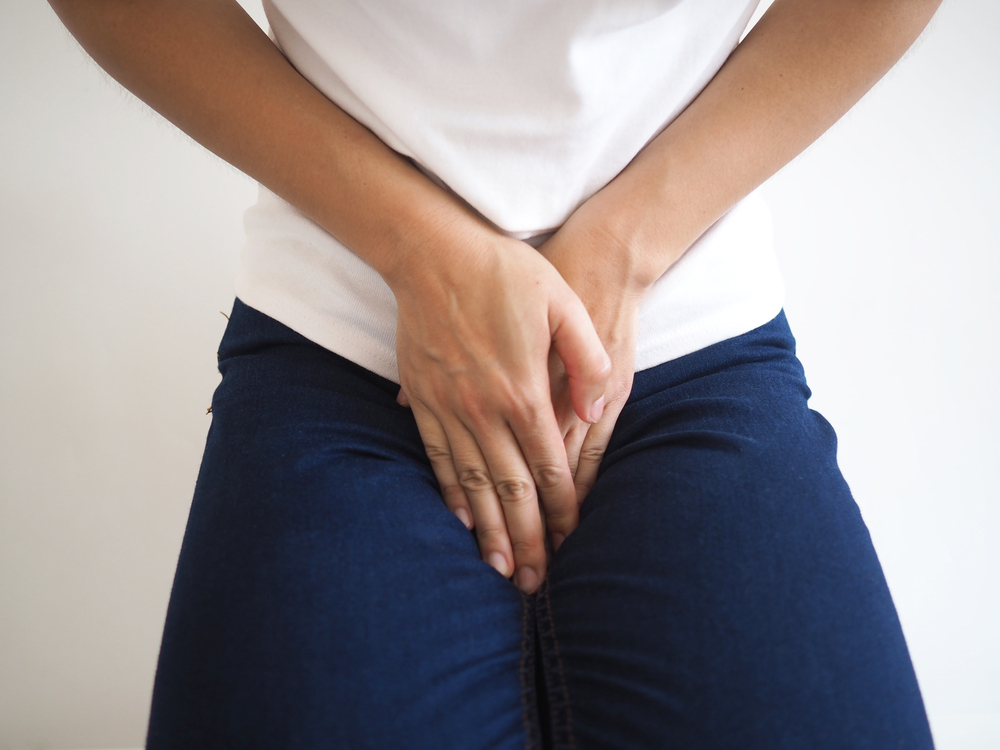
Bladder Training Minimized muscular tissue tone in the pelvic floor decreases the quantity of support, bring about urinary incontinence symptoms. Some females. have urinary system signs and symptoms since the pelvic flooring muscles are always tightened. In this scenario, Kegel workouts will certainly not aid your urinary signs and symptoms and might create much more troubles. Talk to your doctor or registered nurse about your urinary system signs prior to doing Kegel exercises. Exercise is essential for keeping general health and wellness, but it's additionally advantageous for bladder control. These may be preferable for females that have inadequate time or sources to commit to supervised physical therapy or biofeedback. The lady inserts the cone in her vaginal area and utilizes pelvic contraction to hold it in place during activity. When a heavy cone is placed in the vaginal canal while standing, the feeling of "shedding the cone" offers solid sensory feedback that motivates the pelvic flooring muscular tissue to agreement to stop it from slipping out. Call a doctor for help if you experience any of these signs after Kegels. The pelvic flooring muscular tissues function as a sling to aid hold the bladder and urethra in position. To reinforce the pelvic floor muscle mass, do Kegel exercises daily.
Pelvic Floor Muscle Mass Work Out For Males
If you need more assistance, medication and various other treatments are offered and might work. Most significantly, don't fail to remember to breathe usually and stay clear of tightening various other muscular tissues, like your stomach or legs. But you may wish to start in a seated setting with your feet level on the floor and assistance for your back. You may additionally attempt carrying out a Kegel exercise lying down on your back or lying on your side. The puborectalis muscle occurs from the back of the pubis and form a U-shaped loophole behind the anus that slings the anorectal joint to the symphysis pubis. The purpose of daily exercise is to raise muscular tissue stamina and to boost motor abilities through technique. The fundamental program includes 3 sets of 8 to 12 tightenings sustained for 8 to 10 sec each, performed 3 times a day. People should try to do this every day and continue for at least 15 to 20 weeks. Specific workout regimens differ significantly in frequency and strength, and the excellent workout routine has actually not yet been established (Newman et al., 2018). Nonetheless, good outcomes have been accomplished in several tests making use of 45 to 60 paired tightenings and leisures daily.Will my weak bladder ever before go away?
Urinary incontinence nearly never vanishes on its own. follow this link Yet there are steps you can take to assist soothe Constipation your signs. "" Relieving urinary system incontinence begins with understanding which sort of urinary incontinence you''re experiencing and what''s triggering it,"" states Dr. Lindo.
- It's much better to do fewer Kegels properly than to carry out lots of Kegels inaccurately.If you're still having bladder problems 6 weeks after childbirth, speak with your doctor, nurse, or midwife.PFME was first introduced by Margaret Morris in 1936, to advise women exactly how to work out genital muscle mass with the objective of reinforcing the muscular tissues and avoiding stress and anxiety urinary system incontinence.You should never ever carry out Kegel workouts with a Foley catheter in position.Several remedies improve signs, decrease dripping, and assist you stay active.
Ask The Professional: From A Physician's Perspective What Are Some Usual Concerns You Hear?
Urinary incontinence can happen when the bladder muscles unexpectedly tighten and the sphincter muscular tissues are not solid sufficient to squeeze the urethra shut. This creates an unexpected, strong impulse to pee that you may not have the ability to regulate. Pressure brought on by chuckling, sneezing, or exercising can trigger you to leak urine. Urinary incontinence might additionally take place if there is a problem with the nerves that manage the bladder muscle mass and urethra. A typical clinical source of bladder leakages during physical activity is stress and anxiety urinary incontinence, called SUI. This problem happens when pressure on your bladder causes pee to leakage. The stress might originate from laughing, coughing, lifting, running, jumping, or various other motions. Male tension urinary incontinence is reported to happen in 1%-- 60% of individuals complying with radical prostatectomy. To day, artificial urinary sphincter implantation has actually been the standard therapy (Ko et al., 2019). Nonetheless, the PFME is one of the most recommended first traditional therapy for urinary system incontinence after extreme prostatectomy (Ha and Yoo, 2019). Trials of PFME for post-prostatectomy urinary incontinence reveal that PFME reduces urinary incontinence in the first 3 months after surgical procedure (Campbell et al., 2012). Some evaluations demonstrated that PFME is much better than no therapy, because it can reduce urinary system incontinence episodes. An additional study revealed that a very early PFME after extreme prostatectomy considerably lowers continence recovery time (Filocamo et al., 2005). Bladder training can be helpful for people with impulse incontinence, stress and anxiety incontinence, and mixed incontinence. Many people that make use of bladder training have fewer signs of urinary incontinence. Biofeedback can be valuable if you are having trouble doing pelvic flooring exercises. Throughout biofeedback, you'll get information on how well you are acquiring your pelvic floor muscles.